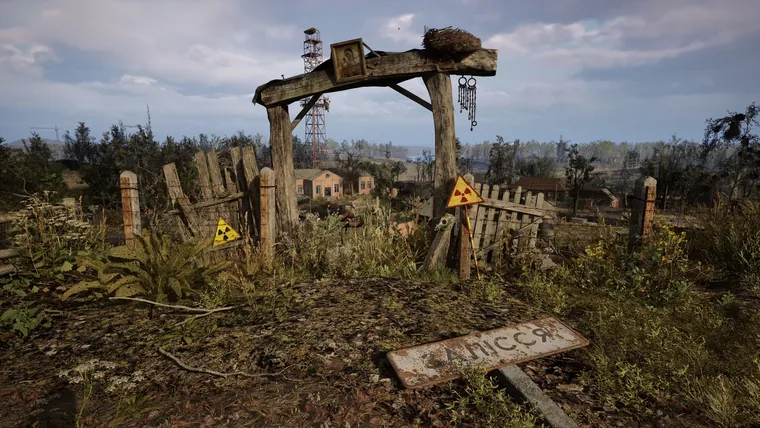
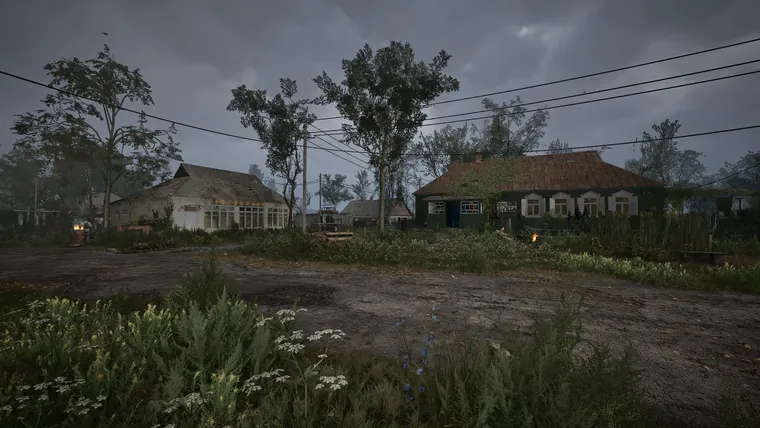
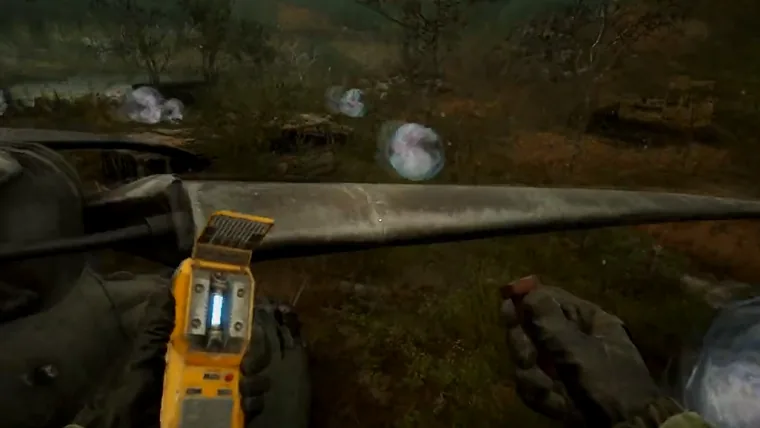
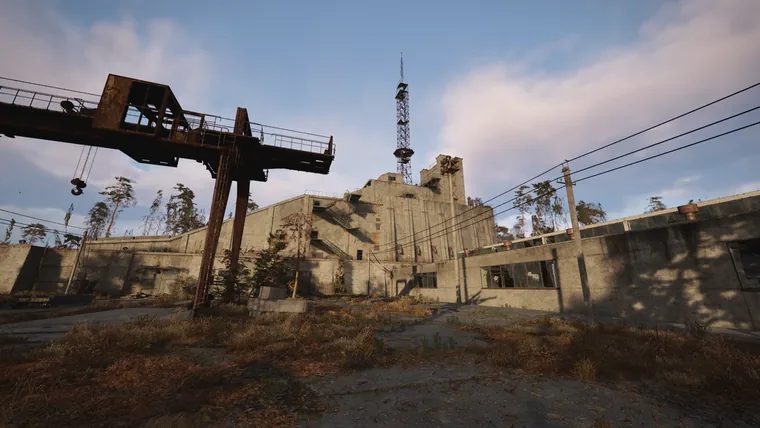
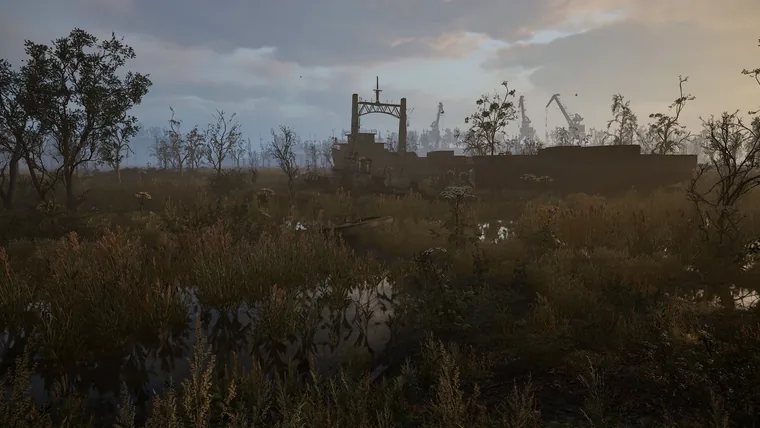
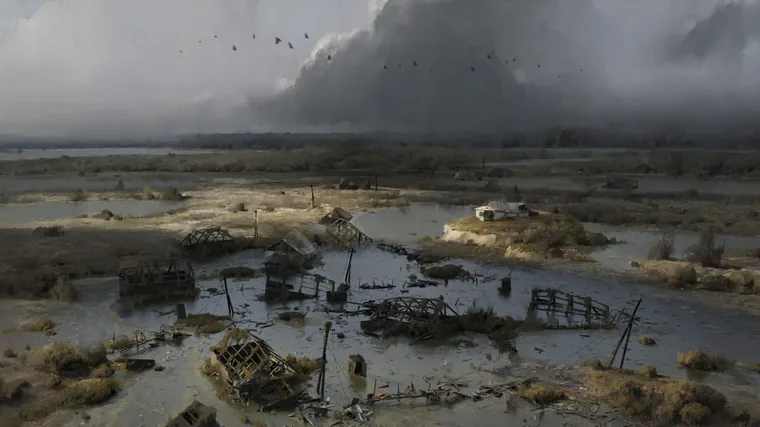
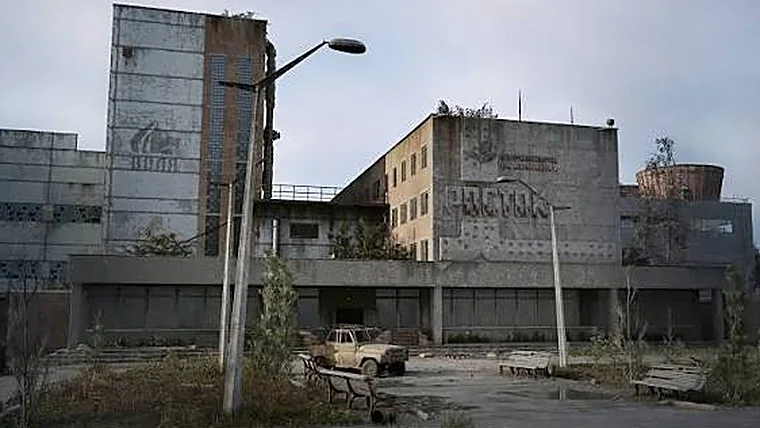
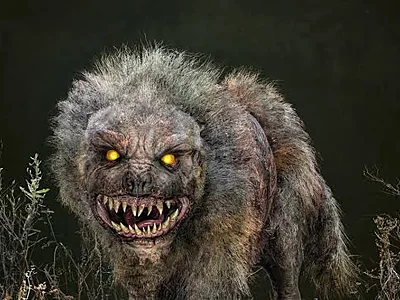
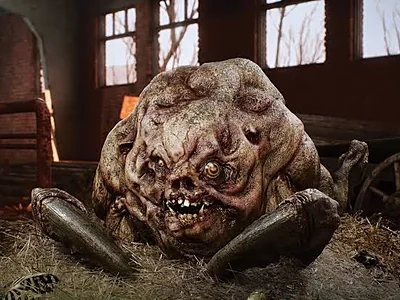
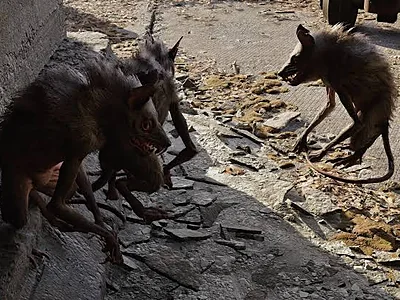
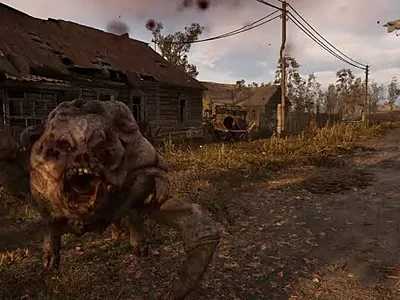
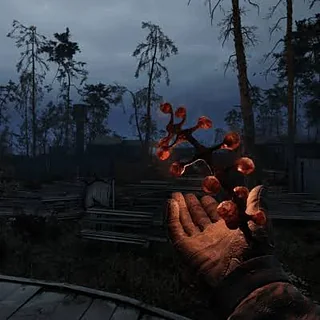
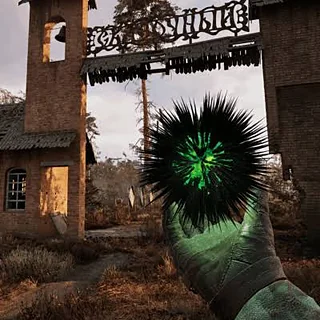
A village with smoke rising above its rooftops. A deserted factory where something moves behind a broken window. A stretch of road that looks perfectly ordinary until your detector starts sounding.
The Zone is a place you learn gradually. Its map reveals where you can go; experience teaches you what to notice along the way.
Explore the locations, factions, characters and strange phenomena of S.T.A.L.K.E.R. 2: Heart of Chornobyl. This introduction covers the setting and its inhabitants without revealing endings or major story twists.
⚠ Spoiler-safe by default
01
What is the Zone?
The game presents a fictional version of the Chornobyl Exclusion Zone. Its alternate history includes a second disaster in 2006, after which the territory becomes associated with anomalies, mutants and objects with extraordinary properties.
The perimeter separates it from the outside world, but people continue to enter. Some seek valuable discoveries. Others come to investigate, escape their past or pursue something they cannot find elsewhere.
These explorers are known as stalkers. They move between settlements, take contracts, search for artifacts and exchange information about routes that may no longer be safe.
iThe setting draws on real places, but its supernatural events, organisations and creatures belong to the game’s fiction.
02
Locations: different faces of the Zone
A change of region can alter the feeling of an expedition. Open ground gives way to industrial corridors; familiar landmarks disappear behind trees; a settlement offers a temporary pause.
The following places provide a starting point for understanding the map.
The Garbage is a landscape shaped by discarded machinery and industrial remnants. Its settlements and improvised routes suggest a place where people have learned to make use of what others abandoned.
The Slag Heap is an important point of reference for travellers moving through this region.
Wild Island is associated with the Noon community. It introduces a different aspect of life in the Zone: the attempt to build a future while living with a difficult past.
Learning about the people here adds context to the territory around them.
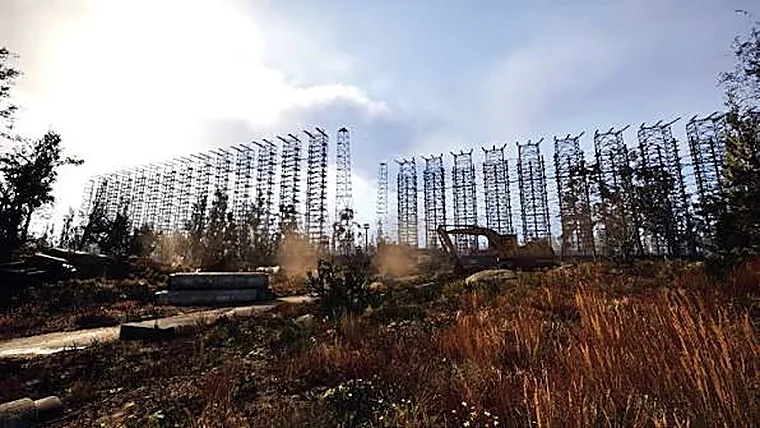
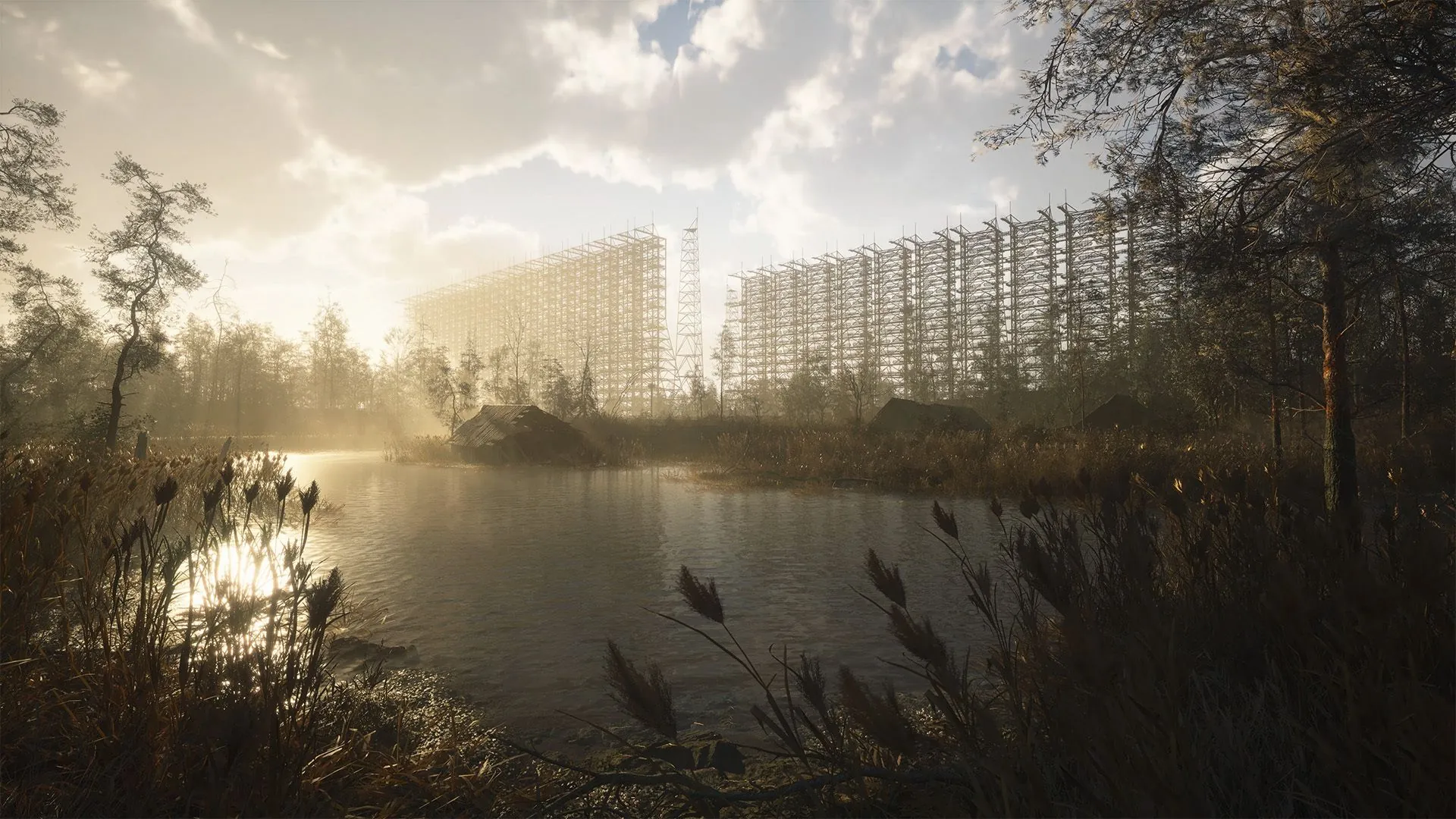
The enormous Duga radar structure is one of the landscape’s most recognisable landmarks. Its scale gives the surrounding area a distinctive sense of place.
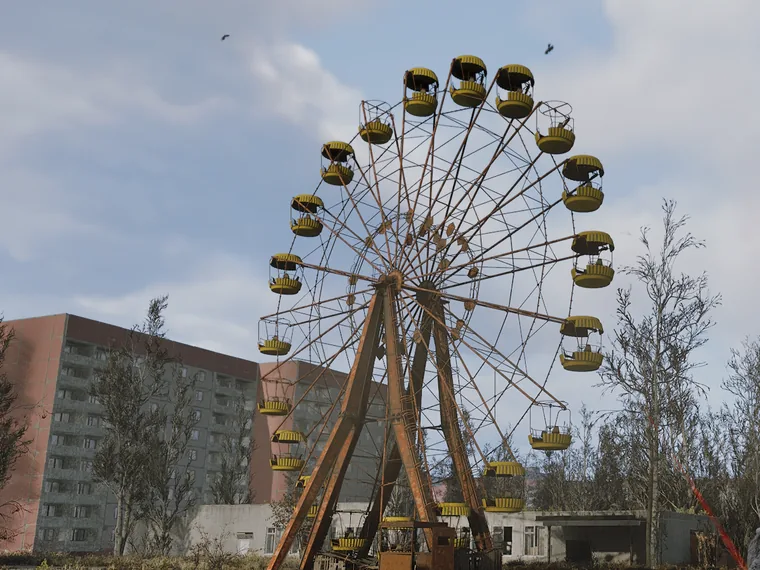
Prypiat offers another kind of encounter with the past: streets, buildings and public spaces whose original purposes remain visible despite their abandonment.
iAccess to some areas depends on story progression. A location appearing on the map does not necessarily mean it is available immediately.
03
Factions: competing ideas about the Zone
The people living here disagree about what the Zone is and what should happen to it. Their organisations reflect those differences.
LO
Loners
Independent stalkers without a single shared command. Their motives and loyalties vary.
WA
Ward
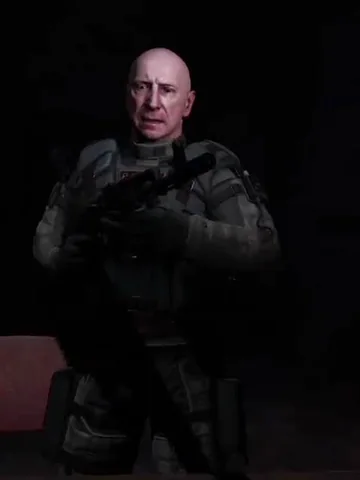
An organised military force associated with control and security, closely connected with SIRCAA.
SP
Spark
A group led by Scar that opposes the Ward and has its own vision of the Zone’s future.
NO
Noon
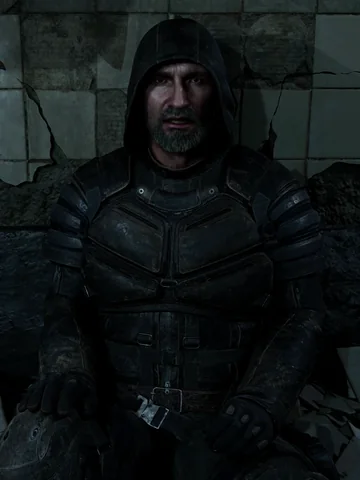
A community of former Monolith fighters seeking a life beyond their previous allegiance, led by Strider.
DU
Duty
A faction that views the Zone as a threat to be contained or destroyed.
FR
Freedom
A faction that rejects the idea that the Zone should be controlled by one authority and supports access to it.
SC
Scientists
Researchers seeking to understand anomalous phenomena, although scientific organisations and individuals do not necessarily share the same methods or priorities.
BA
Bandits
Criminal groups whose activities include robbery and extortion.
MO
Monolith
A faction whose history is closely connected with the central mysteries of the series.
iA faction’s stated purpose is only an introduction. Conversations and actions reveal more about its members than a uniform alone.
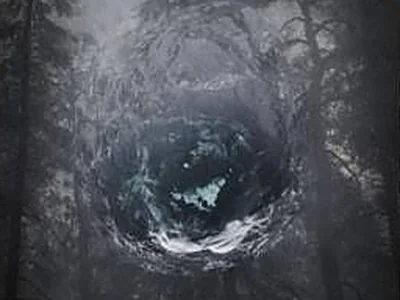
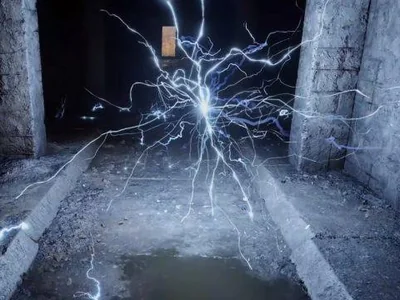
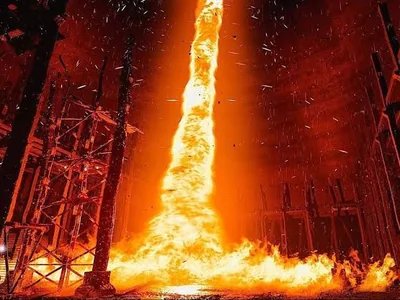
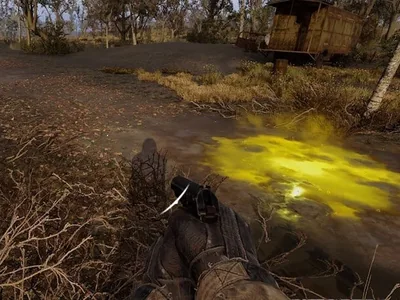
An anomaly is a dangerous phenomenon that disrupts the ordinary behaviour of the environment. Its warning signs may be subtle: a distortion, a sound or an effect that becomes visible only when you approach.
Several broad types recur:
Gravitational
anomalies distort movement and exert violent forces.
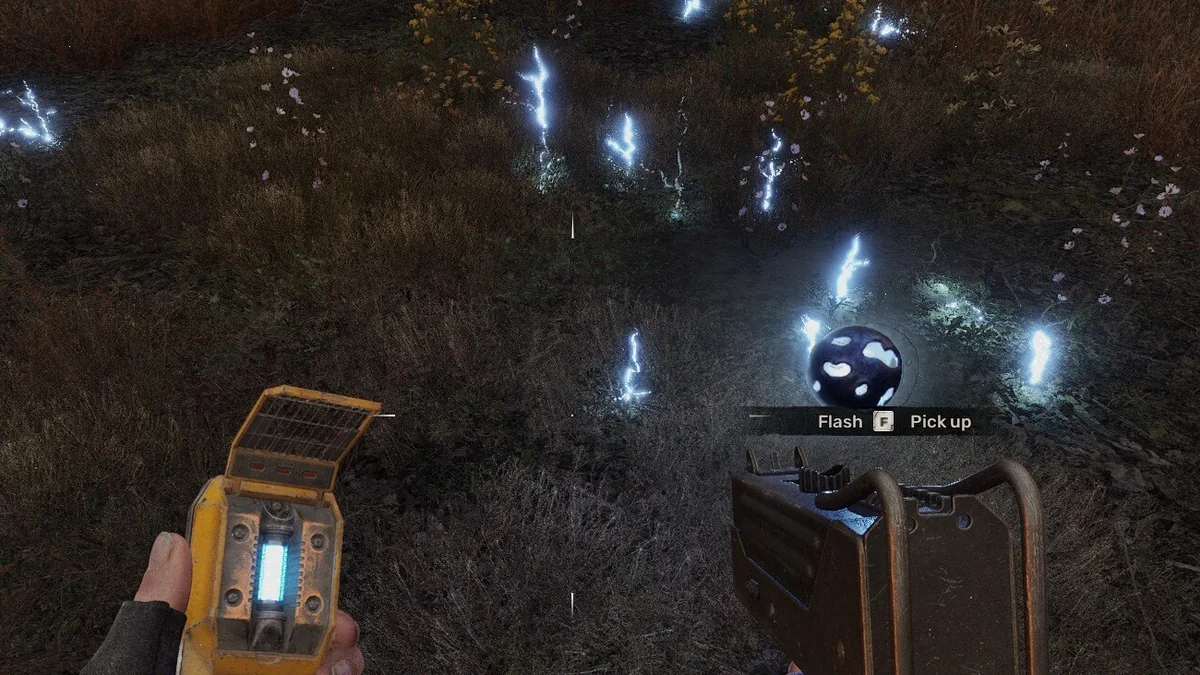
Electrical
anomalies threaten with discharges.
Thermal
anomalies produce intense heat or fire.
Chemical
anomalies expose travellers to hazardous substances or effects.
Some unusual areas have their own behaviour and cannot be understood from a category alone. Observation matters more than assuming that every strange place follows the same rules.
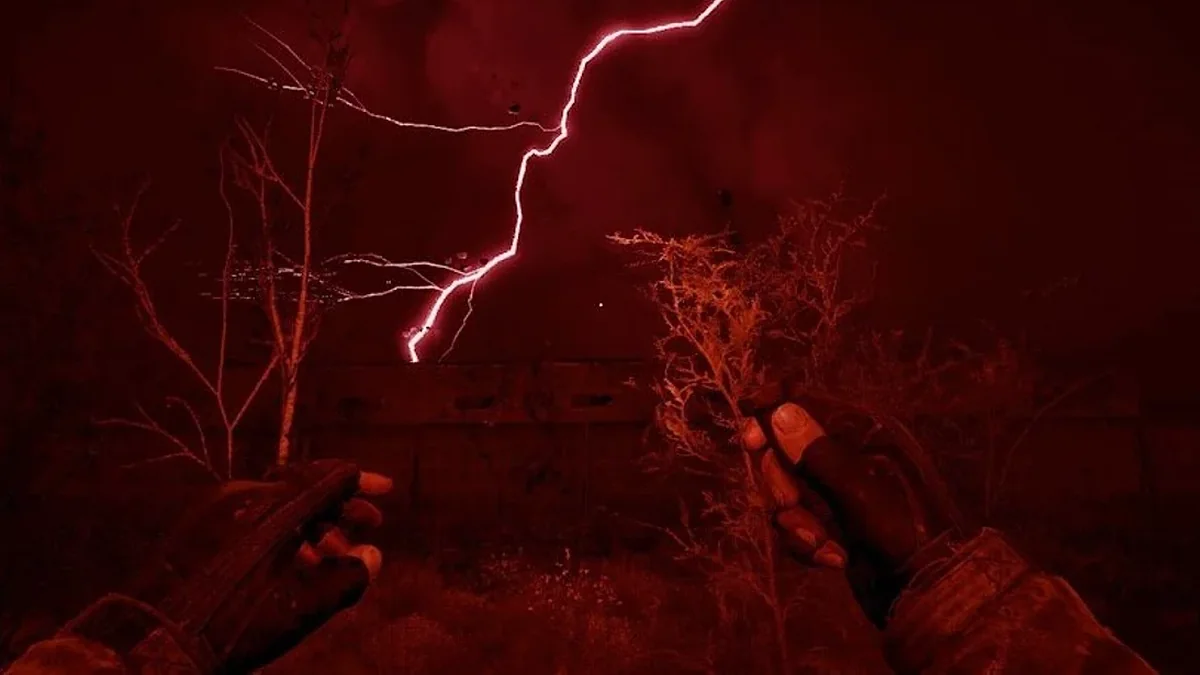
During an emission the sky turns red and the Zone itself becomes the main threat. Screenshot: GSC Game World
07
Artifacts: the reason to take the risk
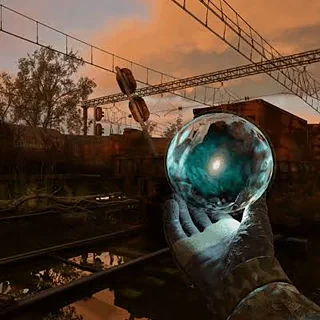
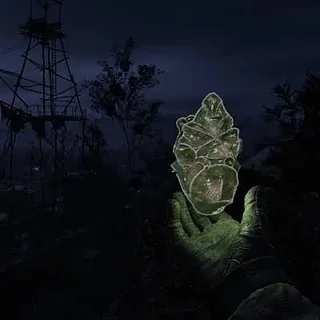
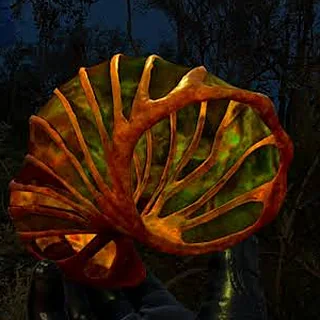
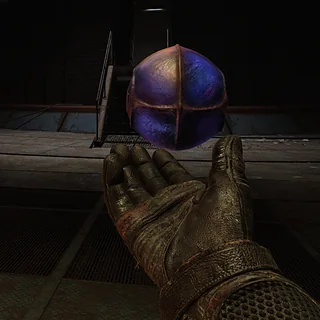
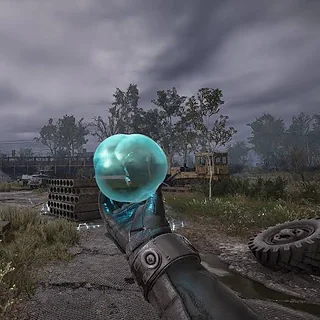
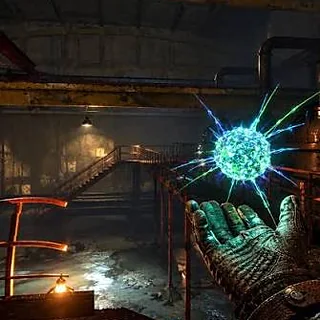
Artifacts are unusual objects associated with anomalous activity. Their properties make them valuable to stalkers and researchers.
Some offer useful effects when equipped, but benefits can come with drawbacks, including radiation. Finding an artifact and deciding whether it belongs in your loadout are therefore separate tasks.
Detectors help locate these objects. Protective equipment and preparation help you reach them, while understanding their properties helps you decide what to keep, use or sell.
Image: GSC Game WorldImage: GSC Game WorldImage: community artworkImage: GSC Game WorldImage: GSC Game WorldImage: GSC Game WorldImage: GSC Game WorldImage: GSC Game World
A promising signal can turn a routine journey into a difficult choice: continue toward the destination, or investigate while supplies still allow it.
The Zone is also made of ordinary needs: finding food, repairing equipment, receiving medical help and deciding which job to take next.
Traders, technicians, medics and guides give settlements their practical importance. Conversations offer another kind of resource — information, warnings and different interpretations of the same event.
Pay attention to the spaces around these encounters. A table, a radio, a makeshift bed or a repaired doorway can suggest how people have adapted to living here.
Look beyond the objective marker
The map helps you choose a direction. It cannot tell you which view will stay in your memory.
Take time to notice the shape of a building against the sky, the remains of a workshop or the difference between a familiar route by day and at night. These details give each expedition its own character.
Leave the endings and major revelations for the story. There is plenty to discover before you reach them.
 Screenshot: GSC Game World